Blog

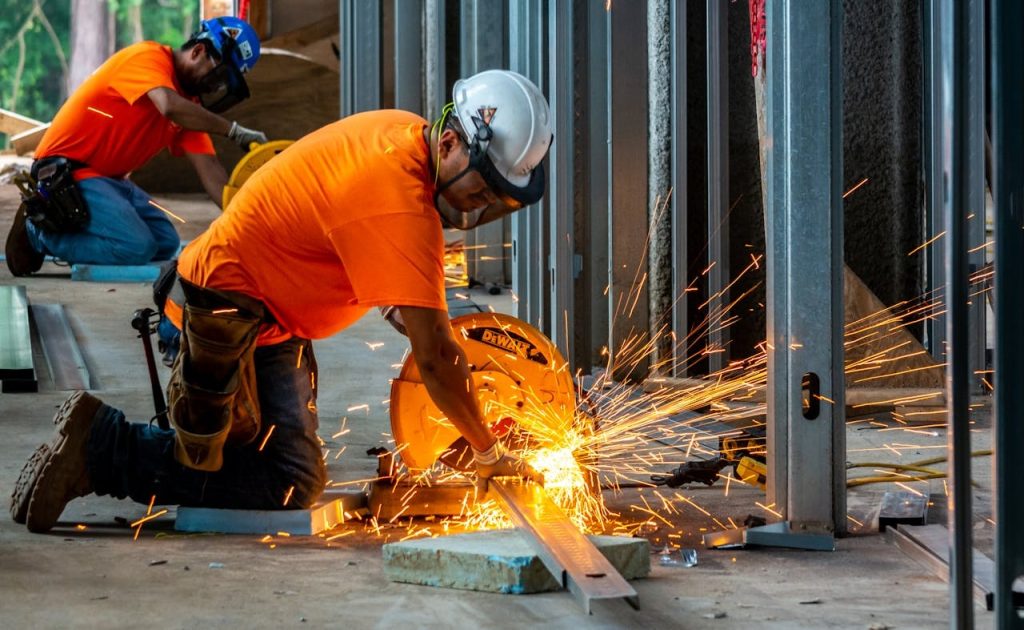
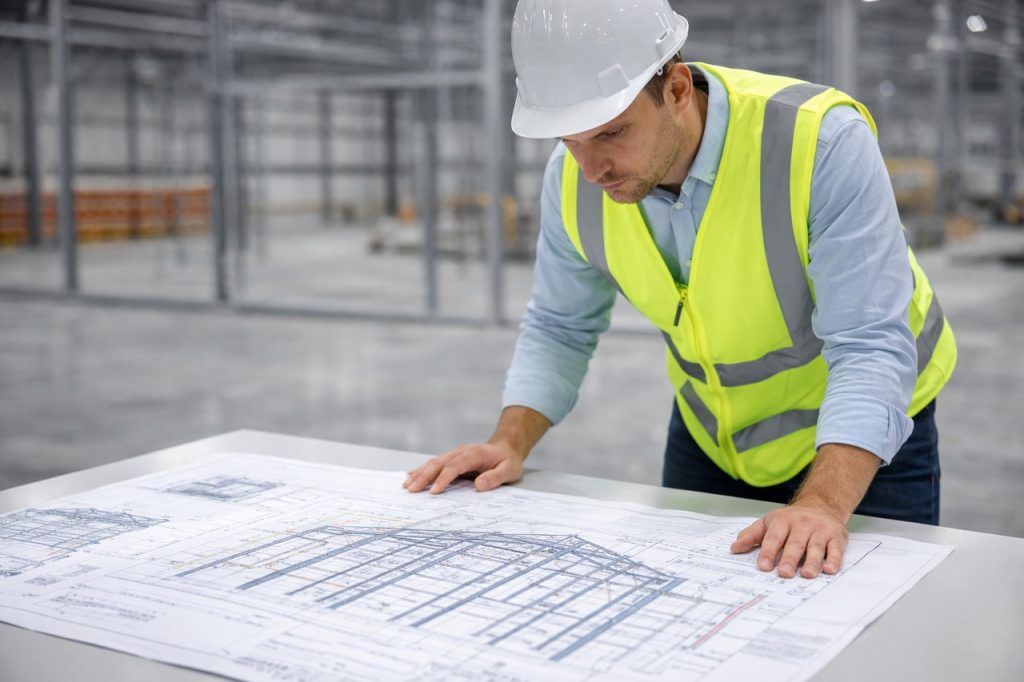
Safety when working with structures

The key safety aspects when working with steel structures include: * **Working at height:** This is a primary concern. Measures such as safety harnesses, nets, scaffolding, and mobile elevated work platforms (MEWPs) are crucial. * **Falling objects:** Protecting workers and the public from dropped tools and materials is vital. This involves secure storage, exclusion zones, and toe boards on scaffolding. * **Manual handling:** Lifting and moving heavy steel components can cause injuries. Using mechanical aids like cranes, hoists, and forklifts, and employing correct lifting techniques is essential. * **Structural stability during erection:** Ensuring the temporary stability of steel members as they are erected is critical to prevent collapse. This involves proper bracing and sequence of erection. * **Edge protection:** Guardrails, barriers, and covers are necessary to prevent falls from edges and openings. * **Fire safety:** Steel can lose its strength at high temperatures. Having appropriate fire prevention and control measures is important, especially during cutting and welding. * **Welding and cutting:** These activities involve risks from sparks, fumes, UV radiation, and hot metal. Appropriate personal protective equipment (PPE), ventilation, and fire precautions are required. * **Electrical hazards:** Safe isolation of power sources and awareness of overhead power lines are necessary. * **Weather conditions:** High winds, rain, and ice can significantly increase risks. Work may need to be suspended in adverse conditions. * **Competent personnel:** Ensuring that all workers are properly trained, competent, and supervised for the tasks they are undertaking is fundamental. * **Site-specific risk assessments and method statements (RAMS):** These documents should detail the hazards and how they will be controlled for each specific project or phase of work. * **Personal Protective Equipment (PPE):** This includes hard hats, safety footwear, high-visibility clothing, gloves, eye protection, and hearing protection, as appropriate.

Bezpieczeństwo przy pracy z konstrukcjami stalowymi to nie jest temat „na później” ani wyłącznie obowiązek działu BHP. To obszar, w którym każdy błąd organizacyjny, techniczny lub ludzki może prowadzić do poważnych urazów, przestojów produkcyjnych i strat finansowych. Praca z metalem, maszynami i ciężkimi elementami konstrukcyjnymi odbywa się w warunkach podwyższonego ryzyka – szczególnie w halach […]

The key safety aspects when working with steel structures include: * **Working at height:** This is a primary concern. Measures such as safety harnesses, nets, scaffolding, and mobile elevated work platforms (MEWPs) are crucial. * **Falling objects:** Protecting workers and the public from dropped tools and materials is vital. This involves secure storage, exclusion zones, and toe boards on scaffolding. * **Manual handling:** Lifting and moving heavy steel components can cause injuries. Using mechanical aids like cranes, hoists, and forklifts, and employing correct lifting techniques is essential. * **Structural stability during erection:** Ensuring the temporary stability of steel members as they are erected is critical to prevent collapse. This involves proper bracing and sequence of erection. * **Edge protection:** Guardrails, barriers, and covers are necessary to prevent falls from edges and openings. * **Fire safety:** Steel can lose its strength at high temperatures. Having appropriate fire prevention and control measures is important, especially during cutting and welding. * **Welding and cutting:** These activities involve risks from sparks, fumes, UV radiation, and hot metal. Appropriate personal protective equipment (PPE), ventilation, and fire precautions are required. * **Electrical hazards:** Safe isolation of power sources and awareness of overhead power lines are necessary. * **Weather conditions:** High winds, rain, and ice can significantly increase risks. Work may need to be suspended in adverse conditions. * **Competent personnel:** Ensuring that all workers are properly trained, competent, and supervised for the tasks they are undertaking is fundamental. * **Site-specific risk assessments and method statements (RAMS):** These documents should detail the hazards and how they will be controlled for each specific project or phase of work. * **Personal Protective Equipment (PPE):** This includes hard hats, safety footwear, high-visibility clothing, gloves, eye protection, and hearing protection, as appropriate. Read More »

How long does the construction of a steel hall take?

How long does it take to build a steel hall?

The construction of a steel hall is a complex and multi-stage process that requires not only adequate financial resources from the investor but, above all, time, planning, and knowledge of formal procedures. Although for many entrepreneurs, farmers, or investors from the industrial, warehouse, or production sectors, a swift completion of the project is crucial, the construction time of a hall depends on a number of factors, both legal and

How long does it take to build a steel hall? Read More »

types of steel

The types of steel used in steel halls are: * **Structural Steel:** This is the most common type, forming the primary framework of the building, including beams, columns, and purlins. Grades like S235, S275, and S355 are frequently used, with S355 offering higher strength. * **Galvanised Steel:** Often used for purlins, girts, and sheeting in steel halls. The galvanisation process (coating with zinc) provides excellent corrosion resistance, which is crucial for the longevity of these components, especially in external and exposed areas. * **Sheet Steel (or Cold-Formed Steel):** Used for cladding the walls and roofs. This can be plain or profiled for increased strength and is often galvanised and painted for weather protection. * **High-Strength Steel:** In some larger or more complex steel hall designs, higher-strength steel grades might be specified to reduce the amount of material needed without compromising structural integrity. * **Stainless Steel:** While less common due to cost, stainless steel might be used in specific areas where extreme corrosion resistance is necessary, such as in food processing facilities or chemical plants. The specific grade and type of steel chosen depend on various factors including the span of the building, the loads it needs to support (wind, snow, operational loads), environmental conditions, and economic considerations.

Industrial construction, particularly in the area of steel hall structures, relies on the precise selection of materials whose mechanical and physical properties meet the requirements of a specific project. The key raw material used in this type of construction is steel – an alloy of iron with carbon and other alloying elements. The appropriate type of steel determines the strength, durability, and resistance of the entire structure. Structural steel –

The types of steel used in steel halls are: * **Structural Steel:** This is the most common type, forming the primary framework of the building, including beams, columns, and purlins. Grades like S235, S275, and S355 are frequently used, with S355 offering higher strength. * **Galvanised Steel:** Often used for purlins, girts, and sheeting in steel halls. The galvanisation process (coating with zinc) provides excellent corrosion resistance, which is crucial for the longevity of these components, especially in external and exposed areas. * **Sheet Steel (or Cold-Formed Steel):** Used for cladding the walls and roofs. This can be plain or profiled for increased strength and is often galvanised and painted for weather protection. * **High-Strength Steel:** In some larger or more complex steel hall designs, higher-strength steel grades might be specified to reduce the amount of material needed without compromising structural integrity. * **Stainless Steel:** While less common due to cost, stainless steel might be used in specific areas where extreme corrosion resistance is necessary, such as in food processing facilities or chemical plants. The specific grade and type of steel chosen depend on various factors including the span of the building, the loads it needs to support (wind, snow, operational loads), environmental conditions, and economic considerations. Read More »

Costs of building a hall

Costs of erecting a hall – a realistic budget, pricing factors and ways to save money without compromising quality

Building a hall – whether it's for production, storage, or even agricultural purposes – is a significant investment that requires careful calculation, knowledge of the construction materials market, and an understanding of what truly influences the final cost of a steel hall. Investors ask themselves questions: how much does it cost to build a hall, how to optimize hall construction costs, where can one save, and which elements are absolutely

Costs of erecting a hall – a realistic budget, pricing factors and ways to save money without compromising quality Read More »

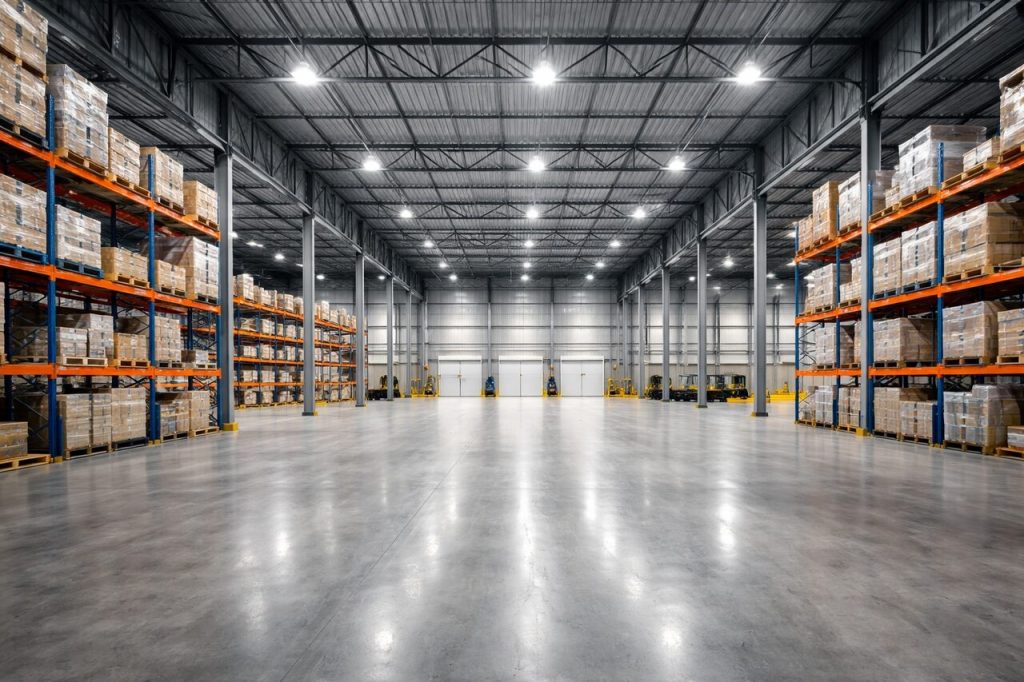
Production hall

Production hall – requirements: regulations, health and safety, fire protection, floor load capacity and installation layout

The construction of a production hall is a strategically important investment for any enterprise operating in the industrial sector. For the hall to fulfil its function safely, efficiently, and in compliance with applicable law, it must meet a number of formal and technical requirements. In this article, we will discuss the most important regulations, standards, and guidelines related to the construction of a production hall, focusing on issues

Production hall – requirements: regulations, health and safety, fire protection, floor load capacity and installation layout Read More »

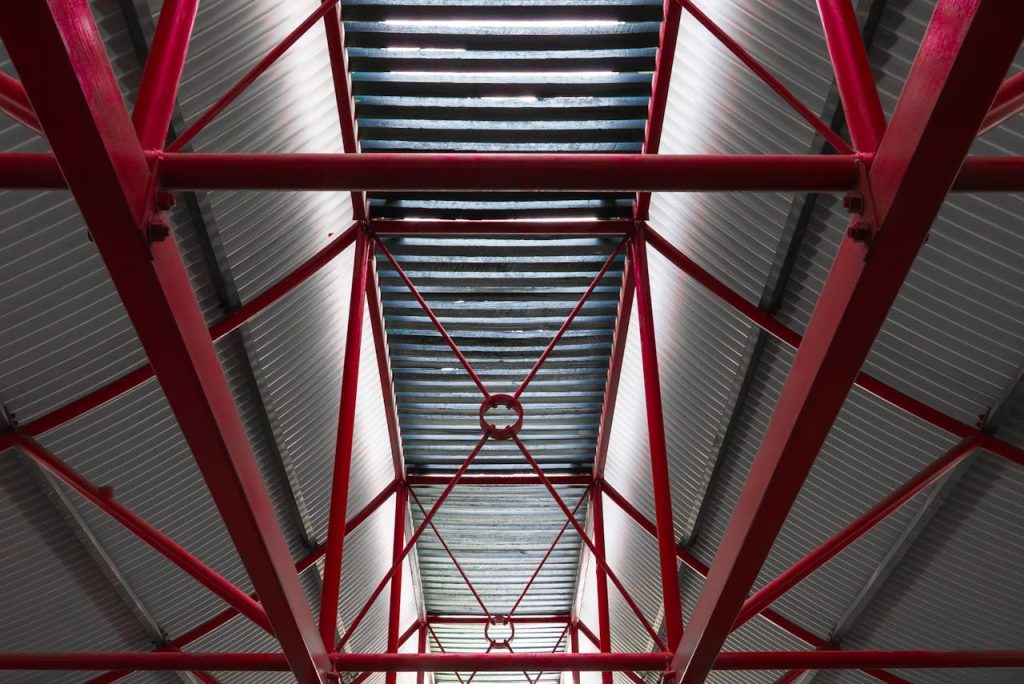
Steel construction class

Steel construction class - how to choose it and what does it mean for safety, durability and investment costs?

The execution classes for structures, defined in the PN-EN 1090 standard, are a key element of the design and execution process. The appropriate selection of the EXC class is not only a formal requirement but a real manifestation of the safety of people and the environment, the reliability of the structure's operation, as well as investment and operating costs. What are the execution classes for structures according to PN-EN 1090? Standard PN-EN 1090-1 and PN-EN

Steel construction class - how to choose it and what does it mean for safety, durability and investment costs? Read More »

Building a production hall step by step

Step-by-step construction of a production hall - from conception and permits to assembly and commissioning

Planning an investment in a modern industrial facility? Whether you are interested in a production hall, a warehouse, or a mixed-use facility – the entire process needs to be well-planned to avoid mistakes and unnecessary costs. Below, we present a practical guide in which we discuss all the stages step by step: from choosing a plot, through obtaining a building permit, to the installation of the steel structure and commissioning. Construction

Step-by-step construction of a production hall - from conception and permits to assembly and commissioning Read More »

en_GBEnglish (UK)